


What happens after a PhD in Sociology?
Filip Olsson showed in his doctoral thesis that there is a gap between conscious and unconscious prejudice. It has now been over a year since he graduated. We have asked him what life is like after his PhD.
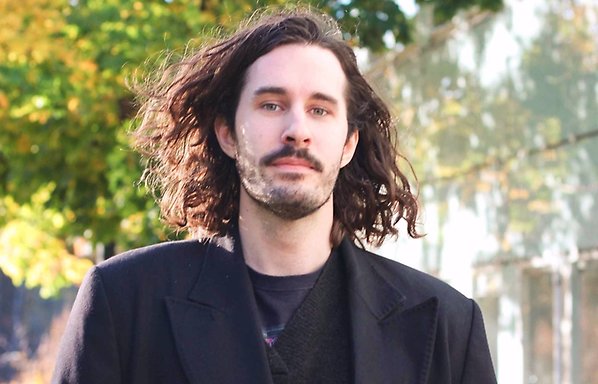
Filip Olsson. Photo: Elida Izani Ibrahim
What have you been up to during the last year?
”After my PhD studies, I worked for six months at the Institute for Future Studies, where I conducted research in AI and discrimination, among other things. After that, I moved to Florence!”
You are Max Weber Fellow at EUI in Florence at the moment. Can you tell a bit about what it is and how you got the postdoc?
”Max Weber fellow is a very unique kind of postdoc at the European University Institute in Florence. It is the world’s largest postdoc programme, collecting new researchers from four disciplines (history, sociology, political science and law). For two years, it provides you with the opportunity to do research in basically whatever you like. Application for the positions opens once a year, and it is available for researchers from all over the world.”
What is your current project about?
”I work on a couple of different projects right now. Partly, I have continued researching nationalism, discrimination and far-right, but I have also started a new project which is about how culture production shapes our attitudes and values. There, I analyze the content of hundreds of films and TV series, to chart trends over time and see how they affect the viewer.
How is it to live in Florence?
”It’s great! The town is incredibly beautiful, and the weather (until the summer…) is amazing. The University is situated in an old monastery on the hills above Florence, which is a nice contrast to Frescati.”
What is the most fun part of your job?
”As sociologists, we have the possibility to do research on almost anything. This makes the job feel very free and creative, which i really appreciate. And being able to have late mornings on a regular basis doesn’t hurt either.”
What is your best tip to students who are thinking of going for a PhD?
”Many students set high standards for themselves before they even start the PhD studies, which can be stressful and easily lead to the imposter syndrome. We often tend to forget that the PhD programme is an education. We are not expected to, and we cannot, be full-fledged researches or to know what we are doing during our studies. We will ”waist” time on sidetracking, we will make mistakes, and probably write some of our worst articles – and that’s okay and expected! We will also put in a lot of time in understanding how to do a PhD, and that too is a part of the process.
Last updated: 2026-03-30
Source: Department of Sociology