


Global Pushback Against Women's Rights Is 'Well-Organized and Well-Funded,' Sweden's Envoy Warns
The global assault on women's rights has become so well-organized and well-funded that even seasoned diplomats are struggling to counter it. "The pushback against women's rights is probably the most difficult one," said Irina Schoulgin Nyoni, Sweden's special envoy for human rights, in an interview last week. "It's quite hard to know how to respond to such a strong, organized backlash."
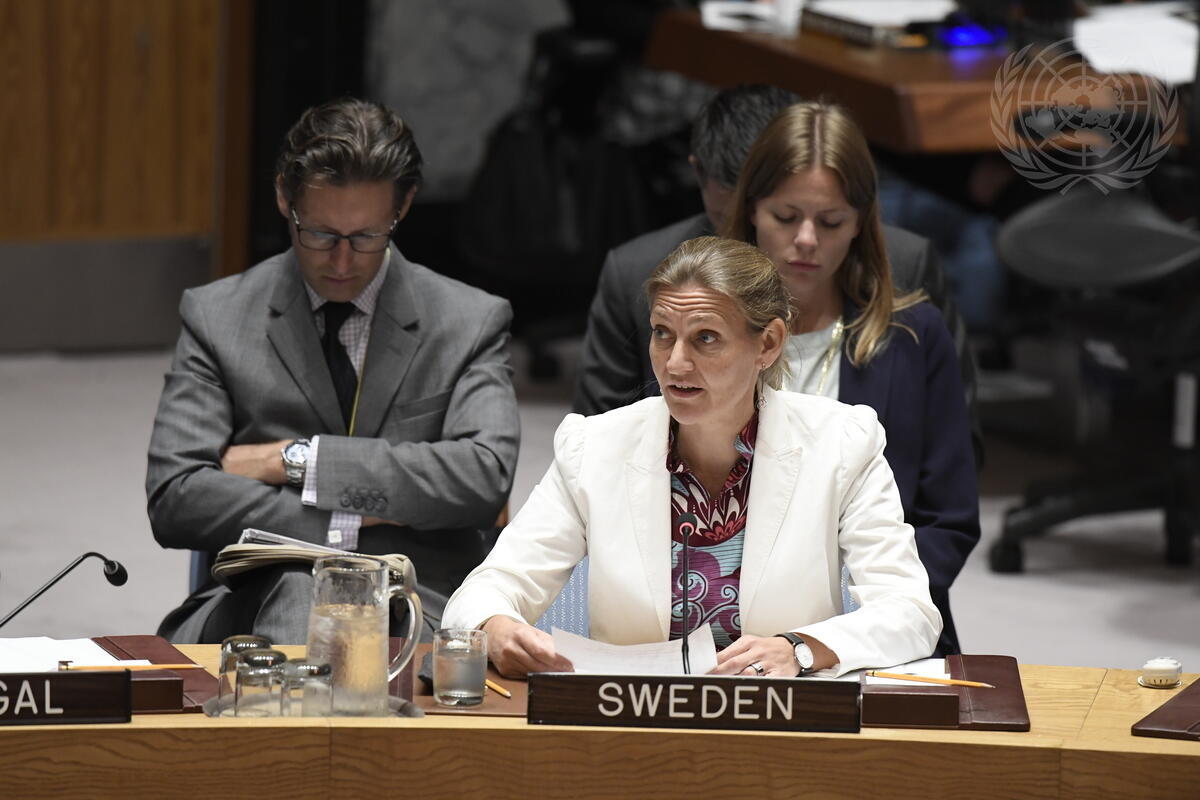
Irina Schoulgin Nyoni, then Deputy Permanent Representative of Sweden to the UN, addressed the Council on September 3, 2017. Photo: UN Photo/Evan Schneider
PUBLISHED: February 2026
Schoulgin Nyoni, speaking ahead of a roundtable discussion on human rights at Stockholm University, described how the rollback of women's rights has become a tool for something larger. The erosion of women's rights, she warned, creates "more instability in our societies."
In interviews last week, other experts shared her concerns.
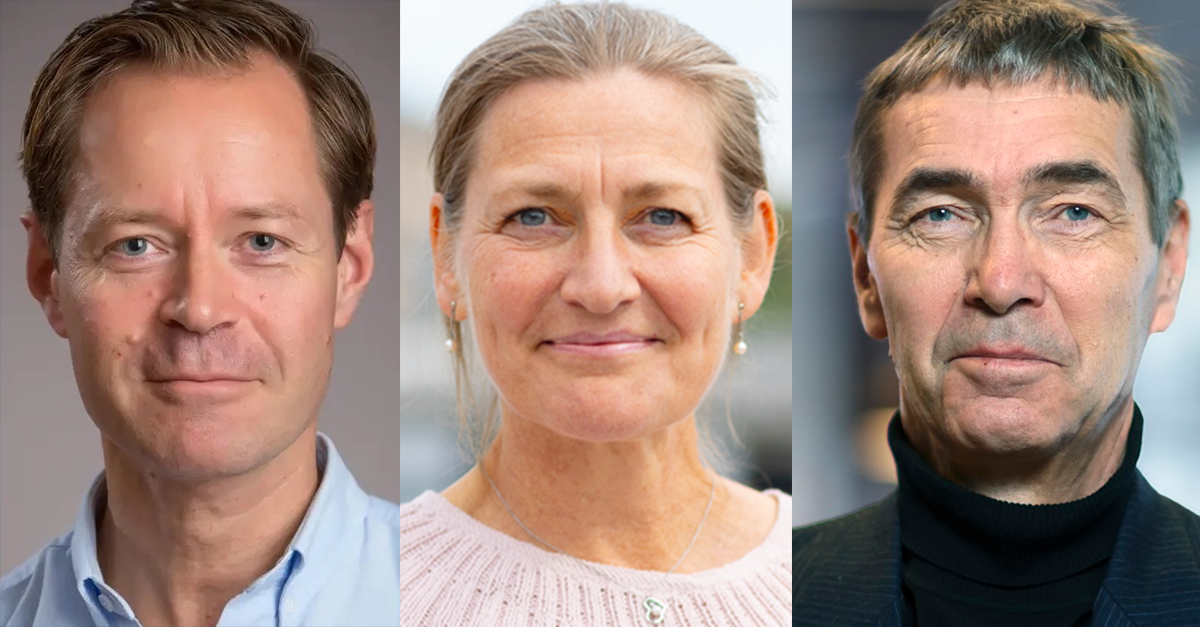
Måns Molander, Irina Schoulgin Nyoni and Pål Wrange. Photo: HRW, Personal photo and Sören Andersson/Stockholm University
The trend extends far beyond gender. Pål Wrange, a professor of public international law at Stockholm University, worries about "the increasing populist-authoritarian trend" sweeping even Europe. He's concerned about the EU's shift toward realism over rights, "since the EU can be — and often is — a quite powerful force for good."
Human rights are rights that any individual can claim against their government and other power-holders. Human rights are there to protect you and to empower you to live a life in dignity.
(PÅL WRANGE)
He's also worried about "certain negative trends regarding human rights in Sweden" itself.
Måns Molander, Nordic Director of Human Rights Watch, sees the same pattern: "the global decline of democracy and the restricted space for rights and freedoms for billions of people."
WATCH: Universal Declaration of Human Rights
"Human rights are ultimately about freedom," Molander said. "They should guarantee that you can decide how you want to live your life – believe in what you want, say almost what you want, love who you want, and publicly voice your opinion on what future you want, without fear of repression."
Forging New Alliances
The challenge has grown more urgent as traditional allies step back. The United States, long a pillar of international human rights advocacy, has not only withdrawn support under the new administration.
"I think we all feel pretty shaken up by the new policies coming out from the White House," Schoulgin Nyoni acknowledged. Though the US has "been a very strong supporter of the international human rights system," it has now rolled back much of that support and "countering what we would like to see."
"It is quite a challenging new reality we need to grasp," she said.
The shift has forced Sweden and like-minded countries to rethink their approach. Though Schoulgin Nyoni doesn't believe the void can be entirely filled, she stressed that Sweden must "stick to what we believe, get other partners on board and create different new alliances that could be just as powerful."
Molander struck a similar note. "In the end, autocratic systems will fall," he said. "People want freedom and rights — it has been the same all over the world, forever. You don't see demonstrations for more repressive rule."
Molander emphasized that Human Rights Watch will continue its work regardless of the political headwinds. "We will always engage where we assess that we can make a difference," he said.
The Need to Rebalance the UN's Three Pillars
Looking ahead to 2026, Schoulgin Nyoni identified UN reform as a critical arena where Sweden can make a difference. She pointed to the imbalance between the UN's three pillars—peace and security, human rights, and development—with human rights historically receiving the least support.
"We must take the opportunity to strengthen the human rights pillar," she said, underscoring the necessity of finding more "sustainable solutions to the world's challenges."
About the Participants
Irina Schoulgin Nyoni is Sweden's Ambassador for Human Rights, Democracy and the Rule of Law. She has represented Sweden in the UN Human Rights Council and UN Security Council and the UN General Assembly in New York.
Learn more
Pål Wrange is professor of public international law and director of the Stockholm Centre for International Law and Justice at Stockholm University. He has also worked at the Ministry of Foreign Affairs and as a political advisor to the EU.
Learn more
Måns Molander is Nordic Director of Human Rights Watch and former Head of the Human Rights Section at Sweden's Ministry for Foreign Affairs. He has been on diplomatic postings at the UN in Geneva and the Council of Europe in Strasbourg.
Learn more
Last updated: 2026-04-20
Source: SCGG