


We discover long-lost stories from old shipwrecks in the deep
Boarding a shipwreck untouched since the 1600s is like being a fly on the wall. It allows us to picture the people on board, how they lived, worked, and who they were. There is so much to discover beneath the surface. Objects are preserved in a completely different way from those buried in the ground, says Niklas Eriksson
Associate Professor in Maritime Archeology.
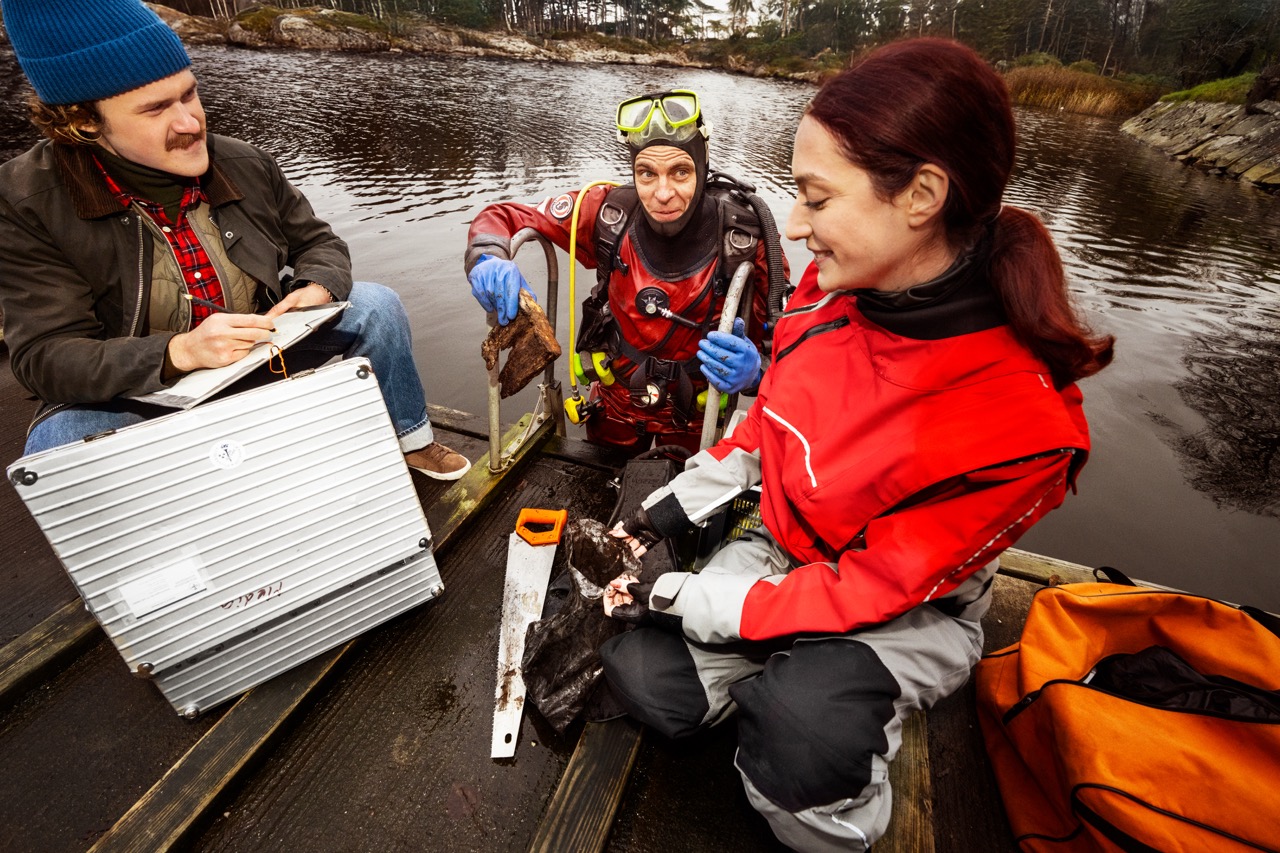
By studying a ship, we can gain remarkable insight into the lives of the people on board and into how differently people have handled things throughout history, for instance when it comes to seclusion and privacy. In the 1600s, individuals slept in very close quarters, and the ship’s toilet was situated in the open, visible to all. It prompts reflection on how profoundly different past societies could be from our own.
What are you most interested in as a researcher?
One of my specialties as a maritime archaeologist is ships. They are, in many ways, the ultimate artefact: at the same time a machine, a living space, and an object shaped by craftsmanship and aesthetic intention. That combination makes them uniquely compelling to study. It is particularly exciting to return from a dive and begin assembling the pieces of the puzzle. By bringing together different sources and methods, we can reconstruct life on board as it once was. For instance, old accounts connected to the ship reveal what food was purchased and which utensils were used in the galley.
What do you want to convey to your students?
Archaeology provides an excellent foundation for developing critical thinking skills. I love it when I’m able to share my enthusiasm for the subject with the students. It’s rewarding to watch them grow, discovering their own approach to archaeology. This might involve specialising in GIS, exploring new digital methods such as photogrammetry, or pursuing something entirely different.
What would you like to say to future archaeologists?
Archaeology expands our awareness of the many ways in which people have lived and understood the world, knowledge that is relevant far beyond the discipline itself. And there is still much more to explore, both beneath the water and on land.
Want to know more about Niklas’s research?
- Shipwrecks revealing the past: “It’s like being a fly on the wall”
- About Niklas Eriksson
- The ship Vasa's little sister Falken found
Last updated: 2026-03-10
Source: Kommunikationsavdelningen