


Research project CAPES | Changes in Arctic Permafrost Ecosystem Services
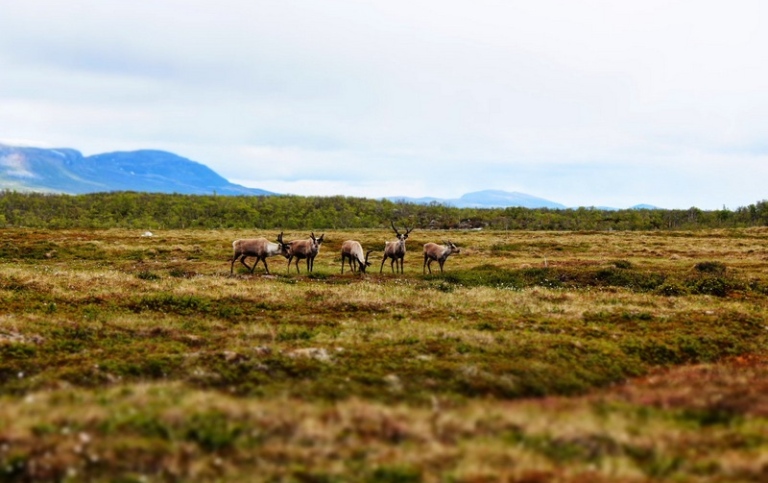
Despite being critically important for communities living in the region, Arctic permafrost ecosystem services (APES) are not systematically classified and mapped, or aligned with the Sustainable Development Goals. This becomes increasingly urgent considering the unprecedented temperature rise and accelerated permafrost thaw in the Arctic. Permafrost thaw alters the livelihoods of permafrost communities by impacting infrastructure, exposing contaminants, and disturbing the supply of APES. While the impacts of permafrost thaw on infrastructure and contaminants are already under intense scrutiny, studies on APES are missing and are urgently needed. This project addresses urgent knowledge gaps in our understanding of the impact of permafrost thaw on local communities. This is achieved by i) mapping and classifying APES, as well as aligning APES to the global SDGs; ii) Assessing the impacts of permafrost thaw on APES; iii) quantifying permafrost community valuation for APES; and iv) creating an APES web-mapping tool that will help permafrost communities evaluate future APES related risks from permafrost thaw and facilitate designing adaptation strategies to climate change.