


Project members
Bios of the iQ2300 members.
Amanda Hickman
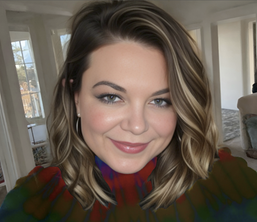
Amanda is a law student at Purdue Global Law School pursuing her juris doctor (JD). Her professional background is rooted in communications, where she has spent much of her career translating complex ideas and technical information into clear, engaging stories for diverse audiences. Her work has included communications strategy, content development, and public engagement, with a particular interest in helping people understand the people and purpose behind important research and initiatives.
Amanda is especially interested in the intersection of law, science, and public communication. She is drawn to work that connects complex systems with the real-world experiences of the people affected by them, and she brings a strong curiosity, thoughtful perspective, and passion for storytelling to her work. Outside of school and work, she enjoys spending time with her daughter, exploring the outdoors, and finding opportunities to experience and learn from the world around them.
Amanda is both excited and grateful to be part of the iQ2300 Communications Team through the work-study program at Purdue Global. In this role, she helps bring the work of the iQ2300 scientists to a broader audience through blog posts, web content, interviews, and other communications. She particularly enjoys helping humanize the science by sharing the stories, experiences, and discoveries behind the research—and giving audiences a glimpse into what it takes to conduct science in one of the most remarkable environments on Earth.
Anna Wåhlin
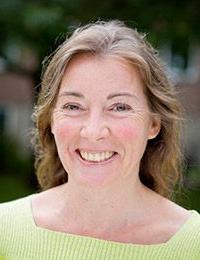
Photo: private
Anna Wåhlin is a Professor of Physical Oceanography at the Department of Marine Sciences, University of Gothenburg. Her research focus is in Polar Oceanography.
Anna’s research investigates several aspects of the dynamics of polar seas, including ocean circulation, topographic effects, ice shelf melt processes, and ice-ocean interaction. When Wåhlin was appointed professor in 2015, she became Sweden’s first female full Professor of Oceanography. She is project leader for Sweden’s national AUV infrastructure funded by the Knut and Alice Wallenberg Foundation. This AUV became the world’s first to venture under Thwaites glacier, Antarctica, in 2019. Between 2015 and 2017, Wåhlin was co-chair of the joint Scientific Committee on Antarctic Research (SCAR) and SCOR initiative Southern Ocean Observing System (SOOS).
She is an Editor of the journal Journal of Geophysical Research - Oceans. Her awards include receiving a Distinguished Professor grant from the Swedish Research Council (2021 - 2031), and receiving the Albert Wallin science prize from the Royal Society of Arts and Sciences (KKVS) in Gothenburg 2018.
Anna co-leads WP4 Boundary conditions for the ice shelf system, and WP12 Observational era analogues of future change, and is member of WP2, WP3 and WP5.
ORCID id: https://orcid.org/0000-0003-1799-6476
Arjen Stroeven
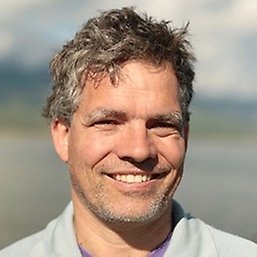
Photo: private
Arjen is a Professor of Physical Geography at the Department of Physical Geography at Stockholm University. His focus is on the long-term landscape evolution of glaciated and formerly glaciated regions as well as former regional and global climate change. He specializes in cosmogenic nuclide dating (rare atoms in rocks related to cosmic radiation effects) applied to geomorphology (changes to the earth’s surface) and ice sheet modeling. Arjen was born in the Netherlands where he studied Physical Geography at Utrecht University. He later studied at the Institute for Quaternary Studies at both the University of Maine and Stockholm University.
An interest in polar landscapes, although seemingly out of reach at the time, came to Arjen through explorer’s literature and from “Beyond Sleep”, a fictional story by iconic Dutch novelist Willem Frederik Hermans. Arjen pursued undergraduate field studies in glaciology in both Sweden and Antarctica and practiced glacier modeling, which exposed him to a fantastic array of peers. Now Arjen guides enthusiastic students and colleagues through the jungle of choices that constitute a career in science, which he enjoys tremendously. Bringing together this fantastic group of scientists within iQ2300 to engage in a 5-10 year project focusing on Antarctica and sea-level rise reflects Arjen’s positiveness as an individual and his skill. It is an accomplishment that he is proud of. Since his days of Dry Valleys fieldwork in Antarctica for his Master’s, Arjen enjoyed having peanut-something sandwiches to keep himself going; over the seasons this “something” has evolved from jelly to sambal oelek.
Ashley Driver
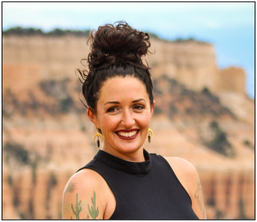
Photo: private
Ashley is a graduate student at Purdue Global Law School studying for her juris doctor (JD). She operates a compliance firm that implements human performance interventions in the agriculture industry. Most of Ashley’s projects focus on sustainable agricultural practices as well as diverse employee health and safety education initiatives. She also volunteers her time as a pro bono legal representative through Alaska Legal Services Corporation where she helps rural Alaskans resolve administrative court matters. Ashley previously studied physical geography, specifically focusing on the use of remote sensing and field-gathered GPS data to generate GIS maps of invasive animal and plant species impacts. Her most treasured field experiences were on the Kaibab and Aquarius plateaus, which she still visits whenever she is able. Ashley loves spending her free time hiking with her daughter and experiencing our amazing planet through her eyes.
Ashley is both excited and grateful to be part of the iQ2300 Communications Team through the work-study program at Purdue Global. In this role she helps communicate the hard work and impactful research of the iQ2300 scientists with the world through blog posts, our web page, and interviews.
Benedict Reinardy
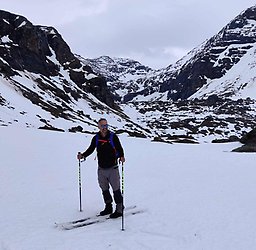%20Reinardy.jpg)
Photo: private
Benedict currently works as a lecturer at Kungliga Tekniska högskolan (KTH) Royal Institute of Technology, specialising in glacial geology (how glaciers shape and impact the land). Benedict’s work focuses on offshore glacial sedimentology (the study of sediments deposited by glaciers as they erode the earth) and geophysics (earth physics) to enable environmental reconstruction. He was inspired to pursue a career in science after participating in fieldwork as an undergraduate in the Scottish Highlands close to the area where he grew up. One of his proudest accomplishments is being part of several Antarctic research cruises with scientists from an array of academic backgrounds and nationalities.
He is also proud of his current service through his teaching role as Director of the Masters programme in environmental engineering at KTH. This role is particularly meaningful because it enables Benedict to bring his expertise in glacial geology and polar science to a new audience of future engineers and environmental consultants. Benedict applies novel techniques to the analyses of sediment cores collected from the seabed through his work with iQ2300. These techniques help provide parameters for models used in iQ2300 that predict future ice sheet behaviour and sea-level rise. Closer to home, Benedict is currently involved in several research projects. In northern Sweden, a place he loves to be, Benedict fulfills his passion for skiing throughout the year, sometimes even at Midsummer and during the polar night when the snow is particularly good!
You can find out more about Benedict at: https://www.kth.se/profile/reinardy
Brad Goodfellow
Brad currently works as a State Geologist at the Geological Survey of Sweden. He specializes in geomorphology (changes to the planet’s surface), focusing on the societal impacts of coastal, wind, and glacial erosion. Brad is originally from rural Australia and has a diverse academic background, including education in physical geography from both the University of Melbourne and Stockholm University. His rural upbringing on the Great Escarpment of eastern Australia and a year of ‘Munroe Bagging’ (climbing the peaks of Scotland) drove his fascination for landscapes. Brad’s proudest accomplishment is his diversity of experience. He contributes to the science in iQ2300 while also connecting the project with Swedish society by working with coastal communities in the south that are the most vulnerable to sea level rise.
Fun Facts:
- Favorite fieldwork food? Anything warm; otherwise it’s amazing how many foods you would never cook at home taste good in the field.
- Favorite polar animal? Being loyal to the southern hemisphere – penguins, especially the little penguins that make their way up to Australia.
- Something most people don’t know about you? In our household of five we each have a different nationality, reflecting broad experiences.
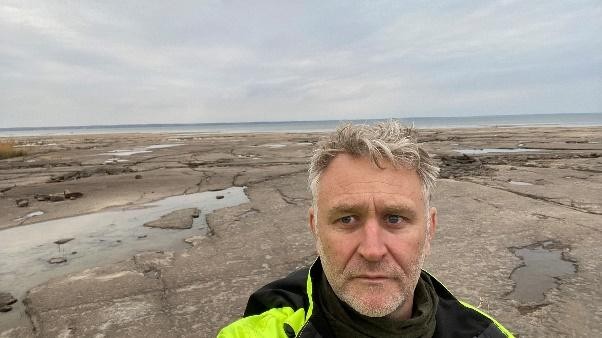
Photo: private
Celia Baumhoer
Celia Baumhoer is currently a postdoctoral researcher at the German Aerospace Center (DLR) where she specializes in earth observation of polar and mountain regions. Her work focuses on processing high-volume earth observation data combined with artificial intelligence to deepen our understanding of the long-term impacts of climate change on the cryosphere (frozen water, frozen precipitation, and frozen surfaces on the planet). She is particularly fascinated by the potential for satellite data when conducting large-scale analyses of climate change in vast and remote areas such as Antarctica. The profound impacts of climate change on the cryosphere are apparent not only in scientific research, but also in her personal experiences as a mountaineer and guide for the German Alpine Club (DAV). With a passion for applying her fieldwork expertise and mountaineering skills, Celia is excited to bridge her experiences from the Alps to Antarctica, contributing to our understanding of these beautiful but vulnerable environments.
You can find out more about Celia at: https://celiabaumhoer.github.io
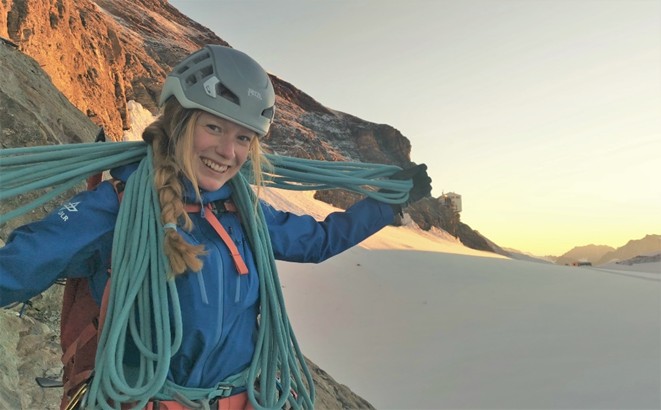
Photo: private
Franco Retamal Ramirez
Franco is currently a PhD student in the Department of Physical Geography at Stockholm University specializing in ice sheet modelling. His research focuses on improving the performance of numerical ice sheet models in Antarctica to enable more reliable estimates of the contribution of the East Antarctic Ice Sheet to sea-level rise by 2300. Born in Chile, Franco developed an interest in glaciers through his fascination with the Andes. He decided to study Geophysics, followed by a Masters of Science in Glaciology.
Outside academia, Franco enjoys hiking and spending time by the beach, where he enjoys wildlife watching. He likes being active outdoors, particularly through surfing and stand-up paddleboarding.
Fun Facts:
- I have an identical twin brother who is a medical doctor
- I have experienced an M8.8 earthquake and tsunami, which, as a Chilean, I consider a fun fact!
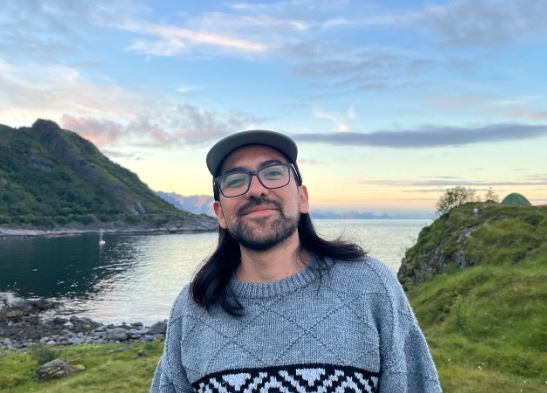
Photo: private
Ian Brown
Ian is currently working as an associate professor at the department of Physical Geography at Stockholm University. He specializes in satellite remote sensing with a focus on radar and snow. Ian is originally from the UK but has lived half of his life in Sweden. Ian studied in London and Dundee.
Analysing and understanding how landscapes formed fascinated Ian as a student, especially when learning in the field. He was inspired by the potential of satellite data and he still gets a kick from viewing new satellite images. Ian loves the freedom of inquiry that being a scientist allows, and he enjoys learning new things which still happens after all this time.
Ian enjoys collaborating. He works with glaciologists and even ecologists. Ian often provides remote sensing expertise to support colleagues’ work. He sat on the European Space Sciences Committee for several years, which meant learning a lot about astronomy and space science. Ian describes this service as cool but challenging.
Fun Facts:
- Favorite fieldwork food? My favourite fieldwork food is probably marmite, but I definitely need tea more than anything else.
- Coolest places you have lived? I have lived in both the Arctic and Africa.
- Something most people don’t know about you? Something most people don’t know about me is that I wanted to be an arborist as a teenager.
You can find out more about Ian at: https://www.su.se/english/profiles/b/brown
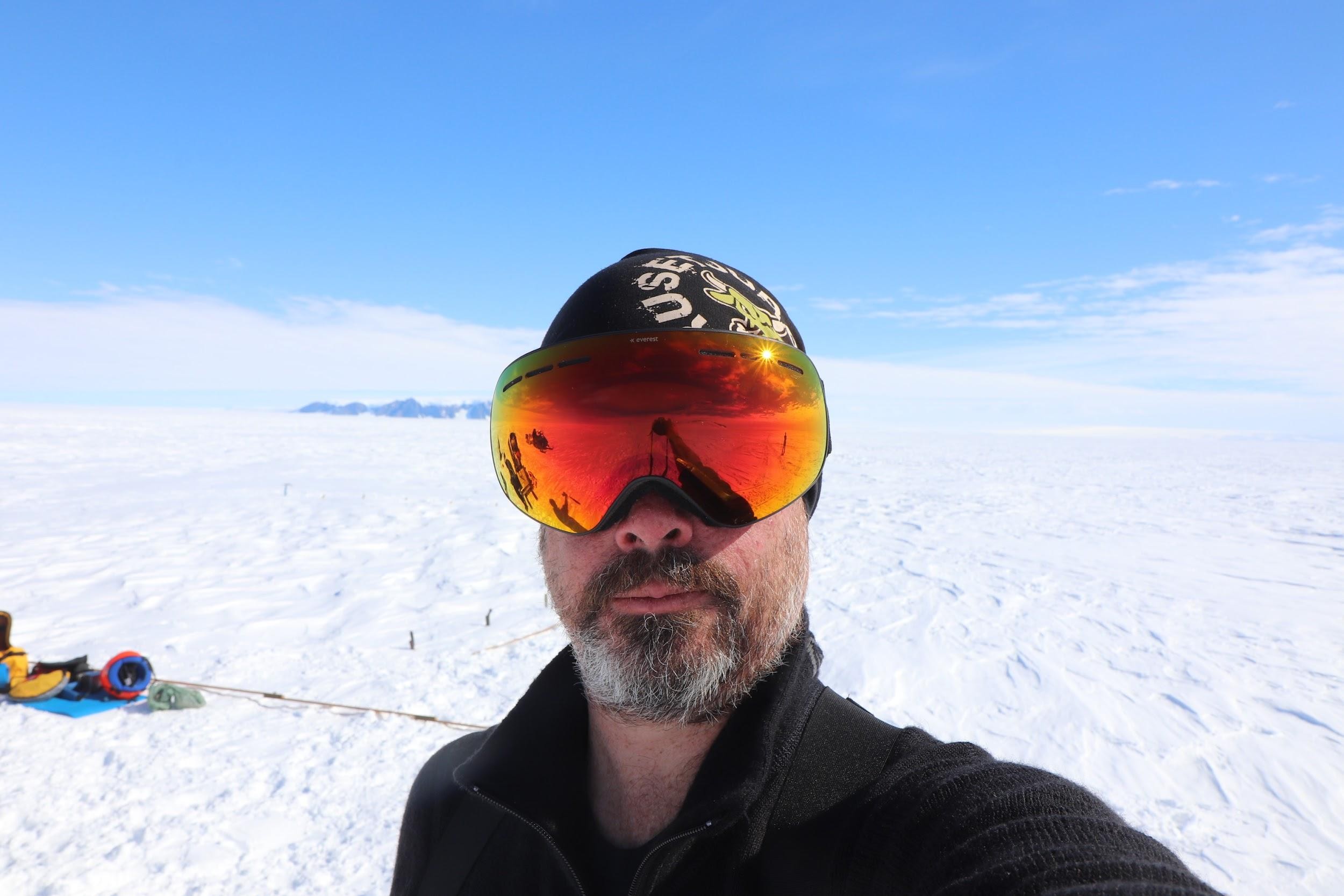
Photo: private
Ilana Wainer
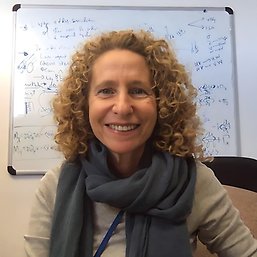
Photo: private
Ilana Wainer is a Professor of Physical Oceanography at the Oceanographic Institute of the University of São Paulo. She is a climate modeller specializing in the role of the ocean in climate variability and change in the South Atlantic and Southern Oceans. Her research integrates model simulations and observational data to investigate large-scale ocean circulation (movement), sea-ice variability (changes), and long-term climate dynamics (changes and interactions).
She was drawn to climate science after an early research cruise in the South Atlantic sparked a lasting interest in understanding how high-latitude ocean processes influence the global climate system.One of Ilana’s key accomplishments is advancing South American contributions to Southern Hemisphere climate research through the analysis of coupled model simulations and international collaboration. Ilana brings to iQ2300 a deep understanding of climate processes with a long-term perspective on ocean-driven variability. Outside of science, she is an avid runner and former triathlete who has completed several half and full marathons.
Jane Lund Andersen
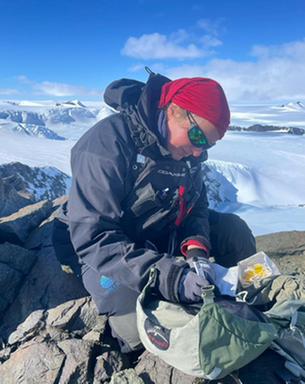
Photo: private
Jane Lund Andersen works as an assistant professor at VIA University College in Denmark.
Her research focuses on climate adaptation, shallow geothermal energy, and the reconstruction of ancient ice sheets. Her interest in science was sparked during a study abroad experience in New Zealand, where she became fascinated by natural hazards and their societal impacts.
One of Jane’s proudest accomplishments is leading the scientific field operations during an Antarctic field season in 2023/24. Jane particularly loves working at the interface between field observations and modelling, an integrated approach she brings to her role in the iQ2300 project. Recently, she expanded her research toward applied climate adaptation.
She hopes that she can contribute to connecting the results of iQ2300 with society and coastal communities.
You can find out more about Jane at: https://www.ucviden.dk/en/persons/jane-lund-andersen
Jon Harbor
Jon is an emeritus professor in the Department of Earth, Atmospheric, and Planetary Sciences at Purdue University. He specializes in both Geomorphology, focusing on how earth surface processes shape landforms, as well as environmental science education and communication. Jon was encouraged to pursue a career in research and teaching by an amazing mentor in his undergraduate program who opened doors for him to take part in physical geography field research in Scandinavia and the Indian Himalaya. One of his proudest accomplishments is the wide-ranging impacts that students he has mentored are now having as professionals in environmental management, research, and education. Jon’s role in iQ2300 includes bringing together the teams of individuals with wide-ranging talents and lived experiences to produce novel ideas and outcomes.
You can find out more about Jon at: https://www.eaps.purdue.edu/people/profile/jharbor.html
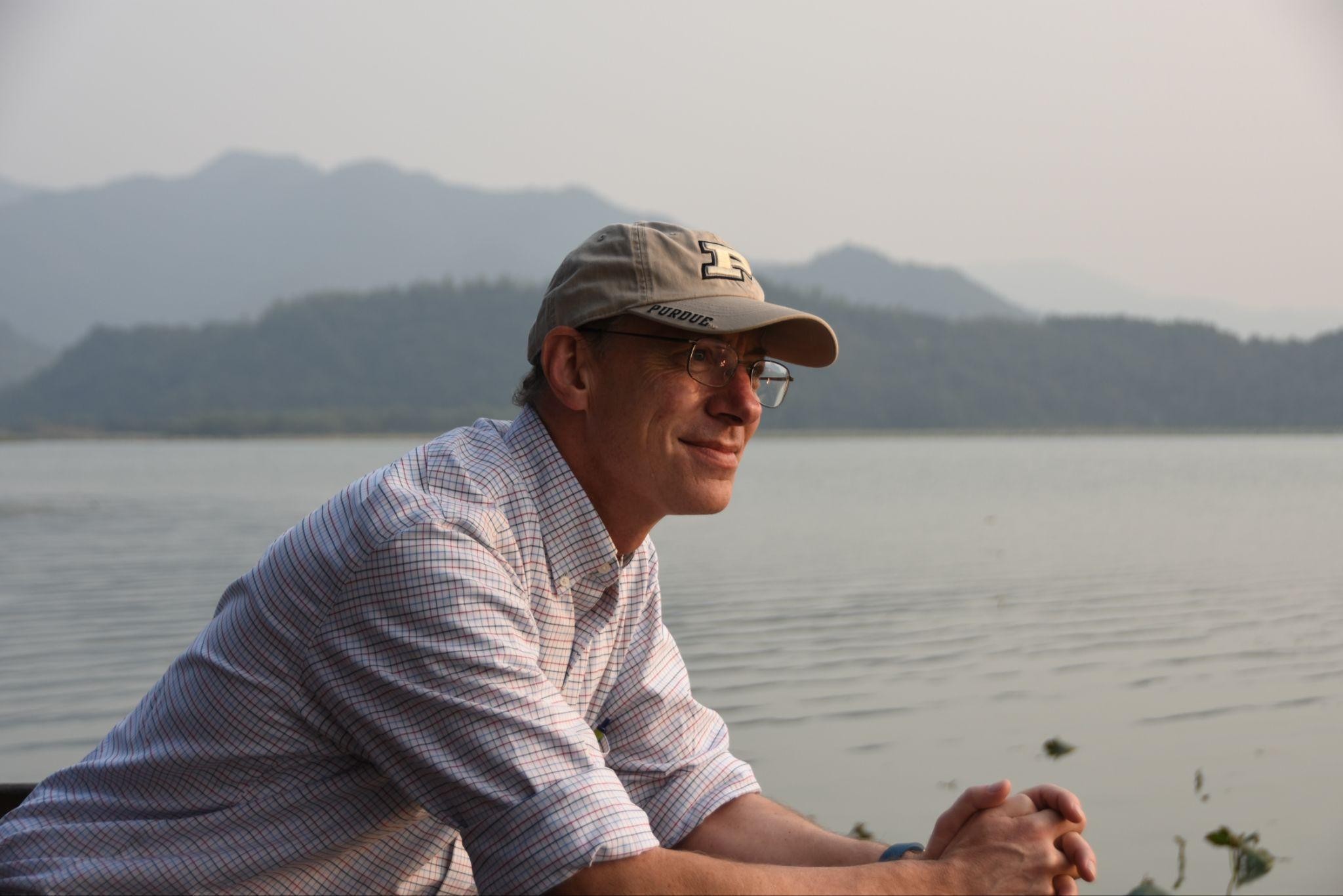
Photo: private
Kadir van Lohuizen
Kadir van Lohuizen (The Netherlands, 1963) is a Dutch photographer and filmmaker who has covered conflicts in Africa and around the world. Kadir is the recipient of numerous prizes and awards in photojournalism. He is a co-founder of NOOR images. In 2000 and 2002, Kadir was a jury member of the World Press Photo Contest and was on the supervisory board of the World Press Photo Foundation for eight years.
Kadir has numerous notable projects and is perhaps best known for his long-term works on the seven rivers of the world. Kadir is the author of multiple literary works, including a photobook. His investigatory and discovery projects and publications include:
- After Us the Deluge (human consequences of sea level rise),
- Diamond Matters (diamond industry),
- Via Panam (contemporary migration in the Americas),
- Wasteland, ((mis)management of waste in six mega cities),
- Arctic: New Frontier (consequences of melting sea ice), and
- Food for Thought (the global food industry).
Kadir directed and presented several television productions and is currently writing a children’s book called Rising Tides. Kadir is also working on a new project about the energy transition on and around the Northsea. Kadir is a frequently-asked keynote speaker and photography teacher. He lives on a ship in Amsterdam, which still sails. When the sea level rises, he will rise as well.
Learn more about Kadir on his website: https://www.noorimages.com/kadir-van-lohuizen.
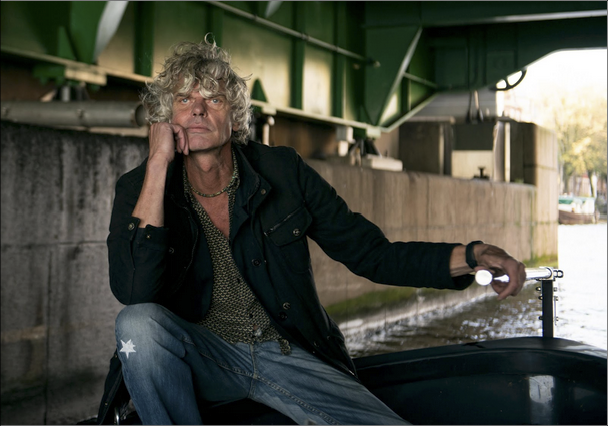
Photo: private
Katrin Lindbäck
Katrin Lindbäck is a researcher at Mid Sweden University and a guest researcher at Uppsala University. She specializes in glaciology, focusing on how glaciers and ice sheets interact with the ocean and climate, particularly in Antarctica and Greenland. By applying ground-penetrating radar techniques and integrating field observations with satellite and modelling data, Katrin aims to better understand how ice–ocean interactions drive melting beneath Antarctic ice shelves and contribute to global sea-level rise. She also investigates how the internal structure of the ice influences the way it moves.
Katrin was inspired to pursue a career in science after working as a field assistant at the Tarfala Research Station in northern Sweden. She has loved nature for as long as she can remember, and growing up with a passion for outdoor activities such as hiking and skiing naturally drew her toward glaciers.
An interesting fact about Katrin is that she enjoys sharing science with young students through Barnens Universitet (Children’s University) at Mid Sweden University. During a recent research expedition to Antarctica, Katrin livestreamed lessons directly from the ice to fifth-grade classes in Sweden, giving more than 800 students the chance to learn about life and research in Antarctica.
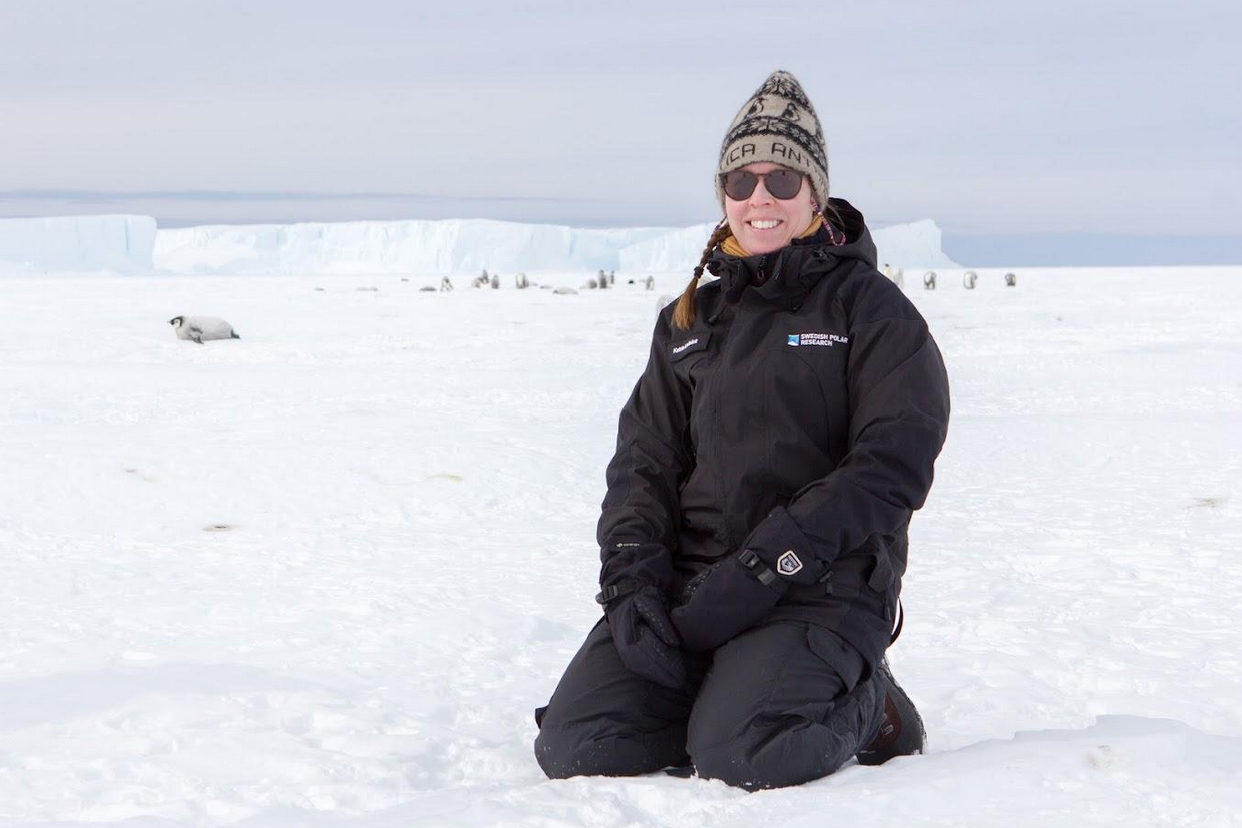
Photo: private
Maaria Nordman
Maaria Nordman works as an assistant professor at Aalto University and National Land Survey of Finland. She specializes in geodesy (measuring Earth’s shape, gravity field, and position in space) and geodynamics (changes in Earth’s solid and liquid parts, including Earth’s core, mantle, and magnetic field). Maaria focuses on Earth’s crustal movements and how they can be seen in geodetic (mathematical calculations of Earth’s size and shape with gravity field variation) observations.
Maaria brings a unique skill to iQ2300 by helping understand how the Earth’s crust moves under the ice sheet in Antarctica. This is important because, though satellite observations provide total mass change (the change in the snow/ice surface elevation), there is no way of knowing how much of the mass or elevation changes are from the ice sheet. Satellite images are also limited due to uncertainties of whether the signal comes from the crust beneath the ice or the ice itself. Crustal movements are needed in the ice sheet modelling to constrain (structurally limit) the models. In field campaigns, geodesy is useful in defining accurate and reliable coordinates for all other measurements.
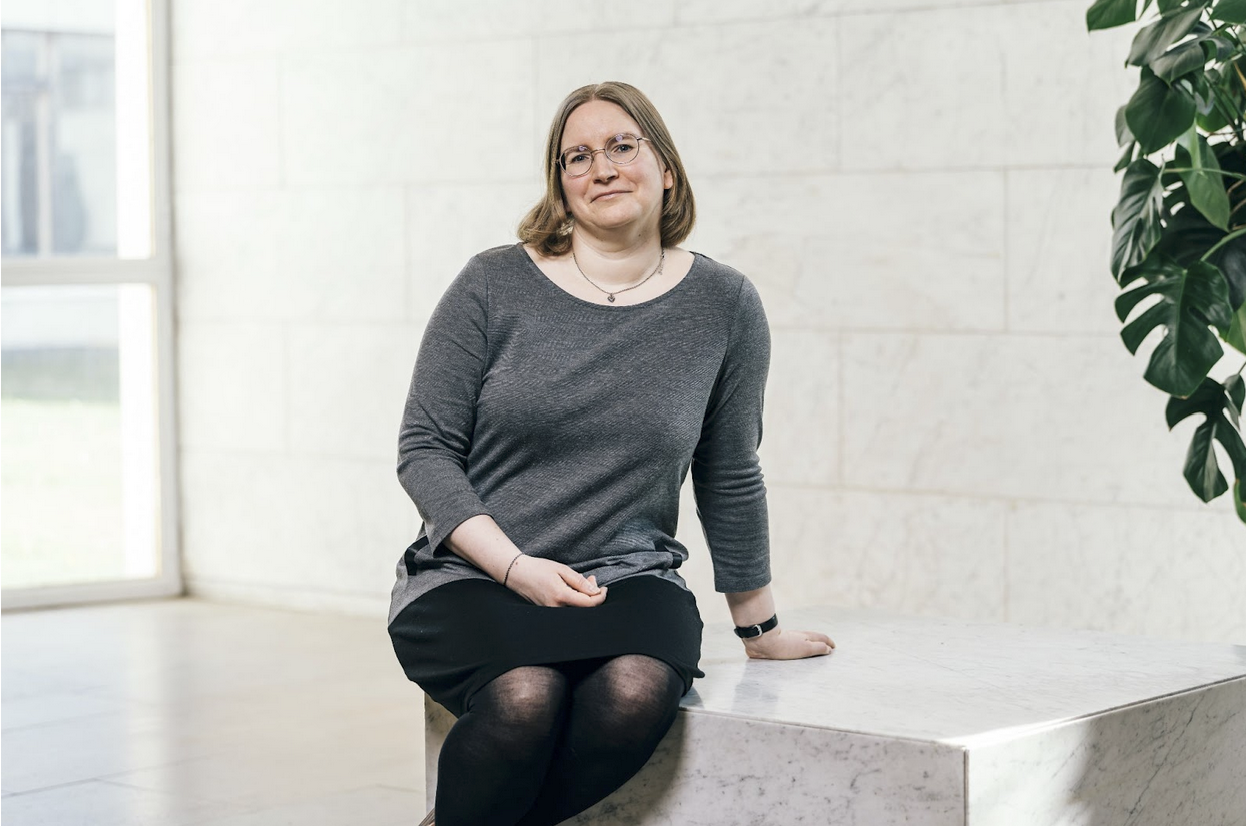
Photo: private
Martim Mas e Braga
Photo: British Antarctic Survey
Martim is a paleo (ancient Earth) ice sheet modeller at the British Antarctic Survey (BAS), in the United Kingdom. His research focuses on combining ice sheet modelling with paleo data archives from ice and sediment cores to surface exposure dating. Martim reconstructs climate forcings (changes in the Earth’s climate system such as sunlight and heat) to drive ice sheet models; he then validates these models against the geological record.
Martim’s main goal is to use data-informed model results to help interpret on-site data, offering a wider geographical and dynamical context for the results. Martim was born in Brazil, and his passion for nature and the oceans drove him to study Physical Oceanography at the University of São Paulo before realising ice was cooler than water, prompting him to make a move towards (paleo)glaciology. He still pursues his oceanographic interests by studying ice-ocean interactions across different time scales. Martim’s passion for the outdoors means he enjoys fieldwork despite being a modeller, and he supports scientific fieldwork through planning, both on the ice and in the ocean. Within iQ2300, Martim co-leads the ice sheet modelling initiatives, bringing the needs of field scientists and numerical modellers together while steering and prioritising model development goals towards the interests of different areas within the project. Outside of science, Martim is a keen dancer, climber, hillwalker, and Munro bagger, the latter a result of his postdoctoral time in Scotland.
Learn more about Martim by visiting his BAS webpage at: https://www.bas.ac.uk/profile/mabrag
Marit Törnqvist
Marit Törnqvist has been working for nearly 40 years as a writer and illustrator of children’s books that have been translated into around 30 languages. In addition, she has initiated various drawing and writing projects for vulnerable children. Her projects include one for ]children in Malmö, Sweden, who are at risk of being recruited by criminal gangs and another with refugee children who just arrived in the Netherlands.
Marit is also a mentor for several Iranian illustrators in the creation of their picture books, and she is the lead designer of Junibacken, the children’s book museum in Stockholm.
Originally, Marit is from Uppsala, Sweden. She studied illustration at the Gerrit Rietveld Academy in Amsterdam.
In her younger years, Marit used to go hiking and camping every summer for several weeks in the north of Sweden and Norway. She has always loved being in remote, untouched nature. As a child Marit’s parents took her to the Fram Museum in Oslo and the André Museum in Gränna, and since then she has been fascinated by Arctic exploration, though she has never actually been there.
Over the past ten years Marit has become increasingly aware that she must try to use the platform she now has to raise her voice against injustices in the world. So far, Marit has mostly focused on human rights issues, but climate change, and the way humanity is responding to it, affects her deeply. Marit notes that the child’s perspective is increasingly absent in society even though the next generation will suffer the consequences of everything adults are currently choosing to ignore. She hopes that her ability to see the world through a child’s eyes can contribute meaningfully to telling the story of iQ2300.
More information about Marit is available at: www.marittornqvist.com
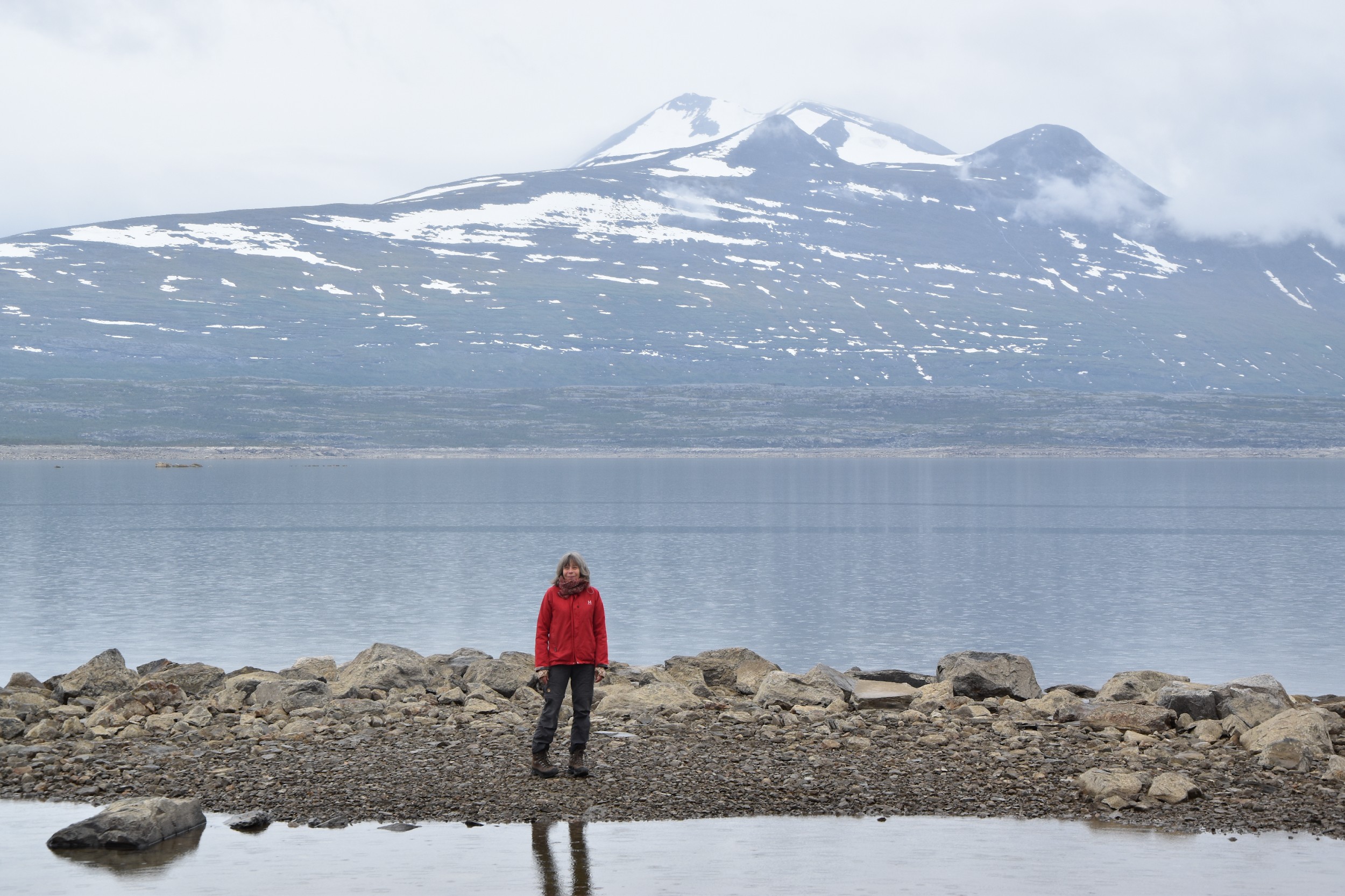
Akkajaure and the mountain Akka in Northern Sweden, 2024. Photo: private
Ninis Rosqvist
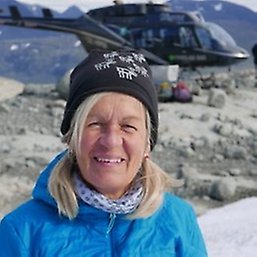
Photo: private
Ninis is a professor of physical geography at Stockholm University, with a focus on the effects of climate change in alpine and polar environments especially snow, glaciers, and water.
Ninis focuses her interdisciplinary research projects on how rapid changes in climate and land use affect the mountains and create changed conditions for, among other things, reindeer herding. Together with researchers with expertise in climate modeling and environmental and indigenous law, reindeer herders from several Sami communities and the Swedish Sami National Association (SSR), Ninis and her teams are now focusing on developing proposals for how the consequences of climate change can best be assessed before decisions about changed land use are made.
Ninis was the director of the Tarfala research station in the Swedish arctic between 2005 and 2020 when the station's operations developed and became a national and international research infrastructure with support from the Swedish Research Council and the EU through SITES and INTERACT.
Ninis’ ongoing projects include co-leading iQ2300 WP8 which focuses on snow measurements to reconstruct surface mass balance over time and space, and she took part in the 2025-26 iQ2300 field season in Antarctica. Ninis is one of the authors selected to contribute to the next IPCC report, both in the chapter on terrestrial, freshwater, and cryospheric biodiversity and ecosystems and in cross chapter papers on High altitude and mountain environments and Polar environments.
Ola Fredin
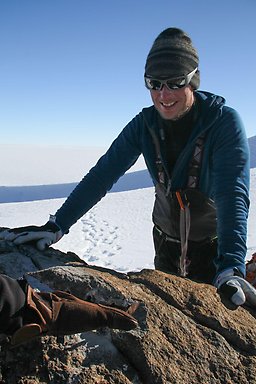
Photo: private
Ola is a Professor in Engineering Geology at the Norwegian University of Science and Technology (NTNU) in Trondheim, Norway. He specializes in Quaternary geology (geologic history of earth from 2.6 million years ago to the present) and engineering geology with a focus on the intersection between fundamental Earth system science and applications in engineering geology. Ola is originally from Sweden, where he earned his MSc and PhD in Earth Sciences at Stockholm University.
Ola was fascinated by mountains and glaciers from a young age; hiking, climbing, and skiing in the Scandinavian ranges sparked a lifelong curiosity. That curiosity deepened during his compulsory military service in Sweden in the early 1990s, when one day it suddenly dawned on him how little he understood about the land beneath his feet. That moment set Ola on the path to studying the Earth and its processes. After completing his PhD, Ola moved to Norway for a postdoc and has since held positions at the University of Bergen, the Geological Survey of Norway (NGU), and now NTNU.
Ola’s scientific interests span both fundamental and applied. He studies how ice sheets, such as those in Antarctica, respond to climate change and contribute to sea-level rise. At the same time, Ola works on applied geoscience challenges, such as landslides and quick clay hazards in Norway. He has been involved in Antarctic research since first joining a US-led expedition to the McMurdo Dry Valleys in 1999/2000. Ola’s focus in recent years has been on Dronning Maud Land, including fieldwork during the 2016/17 season and a return planned for 2025/26 to the Riiser-Larsen Ice Shelf. He enjoys grand but challenging environments, and he looks forward to the weeks of field-based research ahead.
You can find out more about Ola at: https://www.ntnu.edu/employees/ola.fredin
Fun Facts:
- Favorite fieldwork food? Norwegian brown cheese (brunost) with butter on crispbread—it’s a love-it-or-hate-it food, and I am definitely on the love-it side.
- Favorite polar animal? Weddell seals—silent, mysterious, cute, and supremely adapted to the cold.
- Something most people don’t know about you? I grew up partly in northern Sweden and still eat Surströmming (fermented herring, aka rotten fish) now and then. It’s one of the world’s smelliest foods. It’s an acquired taste, but I enjoy it! Look it up on YouTube and then try it yourself if you dare!
Peter Davis
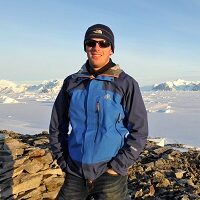
Photo: private
Peter Davis, a physical oceanographer in the Polar Oceans group at the British Antarctic Survey, moved to British Antarctic Survey in 2015 after completing his PhD at the University of Oxford, focused on the changing dynamics of the Arctic Ocean. Peter’s research interests focus on high-latitude ice shelf-ocean interactions, particularly the turbulent ocean processes operating in the first few meters of the ocean beneath the ice base. He is also interested in the large-scale ocean circulation beneath Antarctic ice shelves, along with ice shelf front processes.
Peter’s work involves using hot water drills to gain access to the ocean cavity beneath floating ice shelves. He uses robotic vehicles and ocean moorings that can measure the temperature, salinity and ocean currents to collect unique observations from this incredibly hard to access environment. His research is exploring how ocean heat is transported through the turbulent ice shelf-ocean boundary layer and the impact this has on the rate of basal melting.
Peter is currently a co-PI on the BELLISIMO NERC large grant which aims to understand how ocean processes drive heat beneath the Venable Ice Shelf in the Bellingshausen Sea. He is also a co-PI on the ARIA-funded GIANT project and will lead a field expedition to Petermann Ice Shelf in summer 2027. He has worked extensively on Thwaites Ice Shelf through the International Thwaites Glacier Collaboration MELT project, and the NERC funded SUNSET project that is investigating how the ocean and extreme ice topography interact to regulate ice shelf basal melting. Finally, he serves as co-PI on a major Horizon Europe project OCEAN ICE, which investigates interactions between the Antarctic ice sheet and the Southern Ocean and their influence on the global climate system.
In recognition of his work tackling one of the most important environmental questions of our time – global sea-level rise – and for spearheading a major Antarctic field campaign to the Florida-sized Thwaites Glacier in West Antarctica which has the potential to raise global sea-level by up to 70 cm everywhere, Peter was honored by TIME Magazine as one of the world’s 100 most influential people in 2023.
Qiong Zhang
Qiong Zhang currently works as a Professor in the Department of Physical Geography at Stockholm University. Qiong specialises in paleoclimate (past earth climate) and Earth systems modelling. Her focus is on simulating past warm climates (e.g., the Holocene, Last Interglacial, Pliocene/Miocene) to better understand polar amplification (polar warming rates higher than other parts of the world), hydroclimate variability (water and climate changes), and monsoon dynamics and how these processes inform future climate projections.
Qiong was inspired to pursue a career in science through her early training in atmospheric sciences and the realization that climate variability can be studied quantitatively (measured with numbers) using physics-based models. This became pivotal as Qiong saw that by combining observations, proxy evidence (things like ice cores), and numerical simulations, she can answer questions that are otherwise impossible to test directly, especially for past climates, that provide “natural experiments” for a warmer world.
One of Qiong’s proudest accomplishments is leading and contributing to large coordinated paleoclimate simulation efforts using the EC-Earth Earth system model. Qiong helps deliver community reference experiments that are useful well beyond a single study. This stands out because it requires not only scientific leadership, but also sustained collaboration, careful experiment design, and the production of datasets that others can build on.
Qiong’s involvement within iQ2300 bridges complex model-based climate science with synthesis across diverse evidence (models, reconstructions, and proxy compilations). This helps her address research approach challenges in a way that is both mechanism-focused and community-oriented, aiming for results that are scientifically rigorous while also broadly reusable and easy to communicate across disciplines.
An interesting fact about Qiong that most people might not know is that she is an active tennis player. She enjoys training consistently, bringing the same persistence and strategic thinking from sports into long-term research projects.
Qiong is passionate about advancing next-generation paleoclimate modelling and synthesis, including work that clarifies threshold behaviour (the point when a stable environment changes) and abrupt transitions in hydroclimate and vegetation during past warm periods. Qiong found this exciting because past climates provide a powerful way to identify mechanisms and risks that matter for future climate resilience and adaptation.
You can find out more about Qiong at: Stockholm University profile page, Research Gate, Google Scholar.
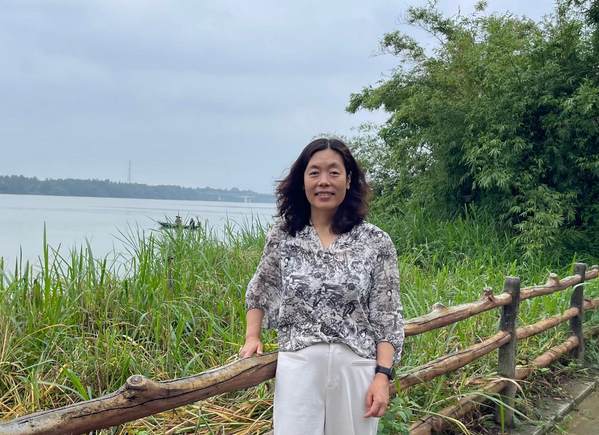
Qiong Zhang, Hainan, China. Photo: private
Yusuke Yokoyama
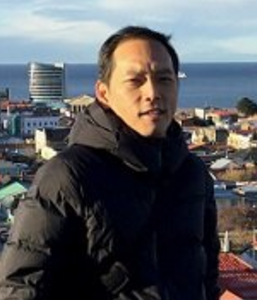
Photo: private
Yusuke Yokoyama is a Professor at the Atmosphere and Ocean Research Institute, the University of Tokyo, and is also affiliated with the Department of Earth and Planetary Science and the Graduate Program on Environmental Sciences. He is also an Honorary Professor at the Research School of Physics at the Australian National University. Yusuke co-leads the iQ2300 work package “Cosmogenic nuclides in offshore sediments”.
Yusuke received his PhD from the Research School of Earth Sciences at the Australian National University (2000) and did postdoctoral work at the University of California, Berkeley. He then worked as a Research Scientist at the Lawrence Livermore National Laboratory, U.S. Department of Energy, before returning to Japan in late 2002.
Yusuke’s research focuses on reconstructing past climates and environments to better understand the physical processes and interactions with Earth systems, including the cryosphere, ocean, atmosphere, and biosphere. He strongly advocates for an interdisciplinary approach to studying Earth Surface Systems. His team has also conducted ecological studies on marine and freshwater biology including salmon, squids, whales, sharks, bivalves, kelps, corals, and other water biological organisms using novel isotopes. Understanding geohazards is another main focus of Yusuke and his research team.
Website Links:
https://gpes.c.u-tokyo.ac.jp/faculty-staff/materials-systems-and-dynamics/yokoyamayusuke.html
https://www.agu.org/user-profile?cstkey=ED49AAF4-722F-40D0-BB95-C38D1CCFB54A
Last updated: 2026-09-07
Source: Department of Geological Sciences