


Evolutionary and conservation genetics
The ongoing loss of biological diversity is a major problem globally. The purpose of evolutionary and conservation biology is to understand the processes that drive and constrain the diversity of genes, populations, species, and ecosystems. Finding ways to conserve biodiversity and reducing its loss, is a key element of this course.
%20Bild.jpg)
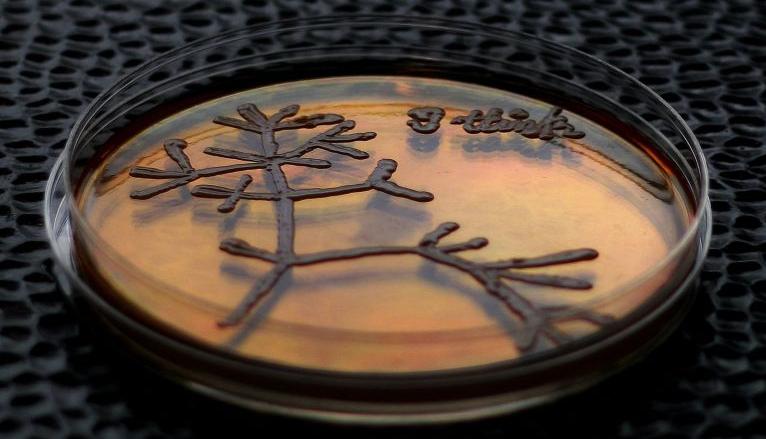
Photo: Rike Stelkens
You will be given a broad introduction to the subject, anchored in practical work, with a focus on evolution, ecology, and conservation genetics.
- Evolutionary and Ecological Processes, 7.5 credits
- Conservation at gene and population level, 7.5 credits
Teaching Format
The education consists of lectures, laboratory exercises, group exercises, project work, study visits and excursions. Participation in laboratory exercises, group exercises, project work, study visits, excursions and group education is compulsory.
It is expected that the student after taking the course will be able to:
- explain basic concepts in evolutionary and conservation biology
- critically discuss principles, problems, and research results in evolutionary and conservation research in a wide range of organisms
- demonstrate an understanding of issues and practical experience in analytical methods in modern conservation biology
- explain how basic evolutionary processes affect the dynamics and genetic composition of populations
- understand how to apply conservation biology for practical conservation work at different levels
Assessment
Measurement of knowledge takes place through written and/or oral examination.
Frankham, R., Ballou, J.D., Briscoe, D.A. A primer of conservation genetics. Cambridge University Press. ISBN 9780521831109
The book is available as an e-book via the Stockholm University Library.


