


Sedimentology
The course introduces the fundamental principles of sedimentology and sedimentary environments across terrestrial, coastal, and marine settings.
%20gg4252_Sedimentology.jpg)
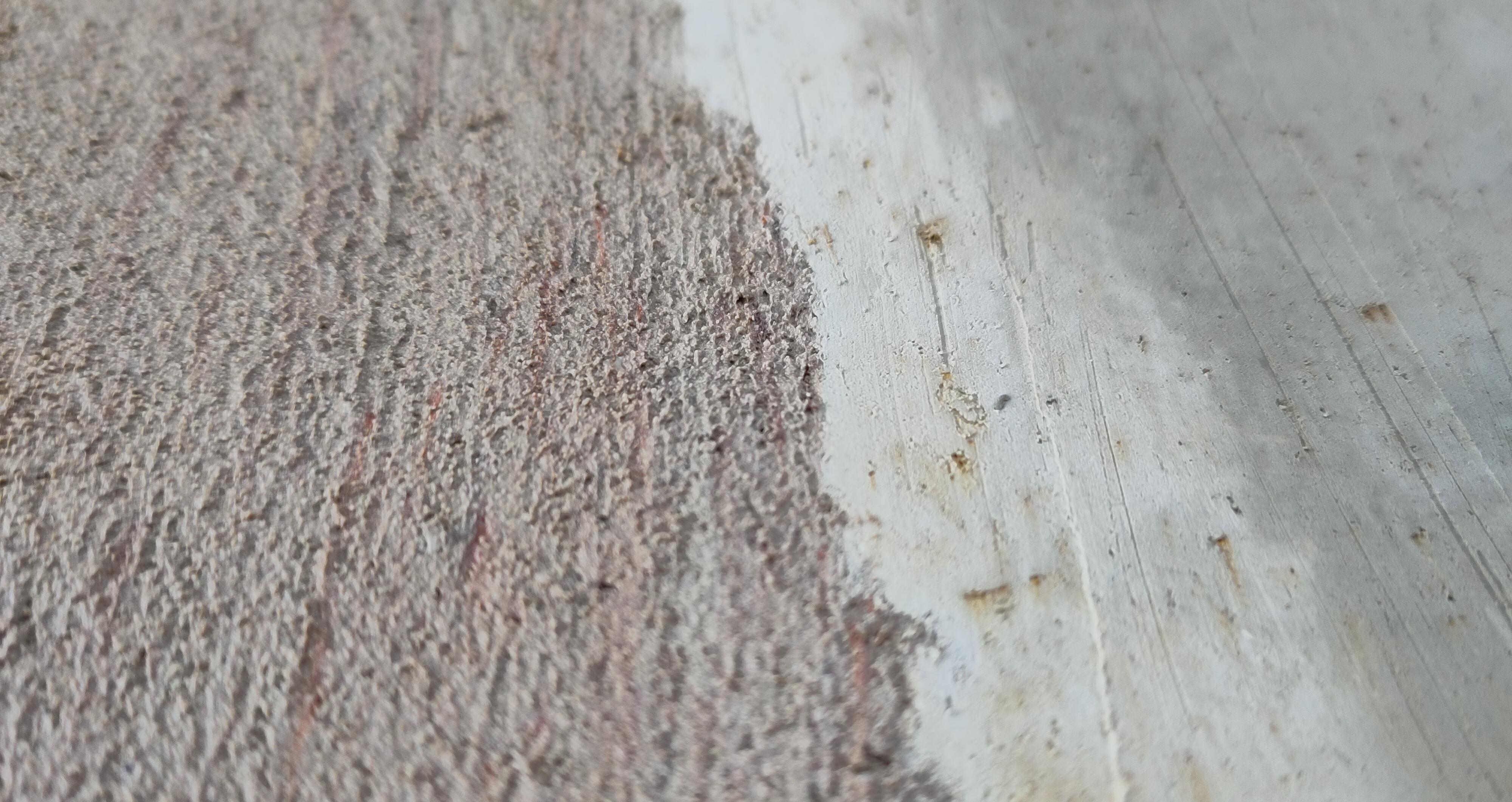
Marine sediment core from the Agadir Canyon, NW African continental margin. The core sections shows the sharp erosional contact between a sandy turbidity-current deposit and the underlying fine-grained debris flow. The coarse sand layer truncates the muddy debris flow below, indicating erosion by a high-energy turbidity current before rapid deposition of sand. This contact marks the base of a turbidite and records a sudden change from one style of gravity-driven sediment transport to the other.
Students will learn how sedimentary processes, structures, and facies relate to depositional environments, plate tectonics, and climate, and how these systems evolve through time within sedimentary basins. The course also introduces basic interpretation of seismic data to analyze sedimentary systems and basin development.
Assessment
Is based on a written/oral assessment at the end of the course. Assessment criteria are:
A = Excellent
B = Very good
C = Good
D = Satisfactory
E = Sufficient
Fx = Insufficient
F = Entirely insufficient
The assessment criteria will be outlined at the start of the course. To pass the course, a minimum grade E is necessary.
Course evaluations allow the possibility to affect and take responsibility for your own learning and gives important information for our work with pedagogical development.
It's important that all students complete the course evaluations after each course, it gives the Department the opportunity to improve the courses' quality.
The course evaluation is composed of a number of questions and specific questions for each course. If you, as a student, want to contribute with more course specific questions you may send them to studies@geo.su.se.
If you haven't received the course evaluation for your finished course, or if you have other questions regarding course evaluations at IGV please contact studies@geo.su.se.
Course evaluation = student's review of the course
Course report = course leader's reflections about the review
Student counsellor
elisabeth.dacker@geo.su.se
+46 (0)8-674 78 70
Course leader
Christoph Böttner
Assistant Professor in Marine Seismic Sedimentology
christoph.bottner@geo.su.se
+46 (0) 708 33 86 40


