

Collaborative effort to develop cancer treatment
Stockholm University, Karolinska Institutet, KTH Royal Institute of Technology and Region Stockholm intend to establish a new centre for medical radiation science in Stockholm. This is a gathering of forces to develop cancer treatment of the future.
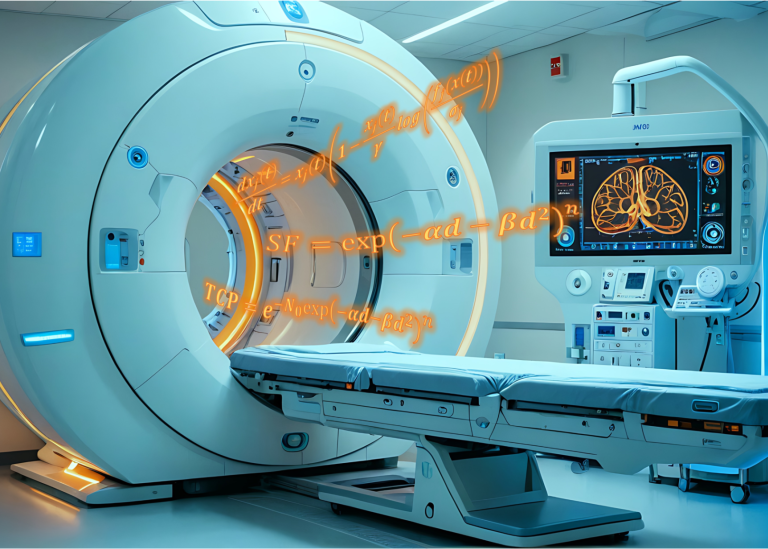
One in three people in Sweden is expected to be diagnosed with cancer at some point, and over 600,000 people live with the disease or have had it. This makes cancer one of our biggest health challenges. More than half of all cancer patients receive radiation therapy, which is an important cornerstone of treatment. With individualised treatment combined with targeted immunotherapy and new drugs, the effect of radiation therapy can be improved while protecting healthy tissue. Today's advanced techniques, such as tumor imaging, biomarker studies, and innovative AI-based strategies, offer additional personalised treatments.
Letter of intent signed
To continue driving positive development in cancer treatment, it is essential to combine cutting-edge expertise in various research areas at Stockholm's three universities with the experience and expertise of Region Stockholm. Therefore, Karolinska Institutet, KTH, Stockholm University and Region Stockholm intend to establish a joint centre for interdisciplinary research and education in medical radiation science and its applications. Primarily in medical radiotherapy, imaging of tumours, cancer-related biomarkers and radiation protection.
The centre will bring together leading researchers, clinicians and engineers from academia, healthcare and industry, and strengthen Stockholm's and Sweden's position in precision-oriented radiation therapy and related areas. The four parties have now signed a letter of intent for the centre, intending to build up the joint research and education environment in Hagastaden in Stockholm.
“Our universities and healthcare in Stockholm have a long tradition of research, education and clinical activities in radiation therapy, and a leading role nationally and globally in innovations and research on radiation therapy and medical radiation physics. Stockholm University, for example, has a very good collaboration between medical radiation physics and radiation biology, which will promote the centre's activities,” says Hans Adolfsson, President of Stockholm University.
Annika Östman Wernerson, President of Karolinska Institutet adds:
“Precision-focused radiation therapy is a promising area of research. Karolinska Institutet values this initiative and the opportunity to participate in developing future cancer treatments in collaboration with other leading universities and Region Stockholm. I believe that this gathering of forces will be of great importance to many patients, their relatives and society at large”.
The fact that we are now joining forces through the formation of a centre for medical radiation science is both an important and natural development, according to KTH Deputy President Mikael Lindström.
“KTH will contribute with its solid and long-standing expertise in both research and education, to jointly develop a more individualized and precise cancer treatment”.
Emma Lennartsson is Regional Director of Region Stockholm. She emphasises that the Stockholm region is an extremely important growth engine for research and development, not least in life science.
“Research and development of radiotherapy has a proud history in Stockholm, and the business community in this field is prominent. The gathering of forces through the new centre provides the conditions for further raising the level of collaboration between excellent academic environments, high-quality healthcare and an innovative business community in this vital area”.
Research and education in radiation physics in Stockholm
The Department of Physics at Stockholm University has been conducting research in radiation physics for many years, in close collaboration with the Karolinska Institutet. The research has resulted in the development of several techniques that have revolutionized radiation therapy. In addition, Stockholm University has the main responsibility for the education of hospital physicists, which is conducted in close collaboration with the Karolinska Hospital. It is a five-year professional program that is a very important education for, among other things, cancer care – no radiation therapy may be carried out without a hospital physicist having first approved the treatment protocol.
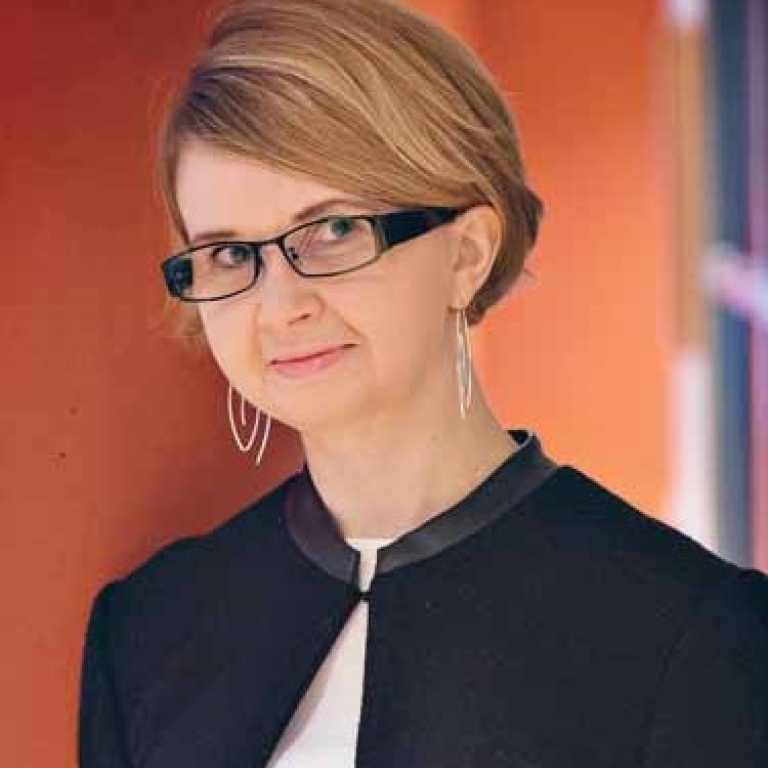
Iuliana Toma-Dasu is Professor of Medical Physics and head of the Medical Radiation Physics Division at the Department of Physics, Stockholm University. The division is also affiliated with the Division of Oncology and Pathology at Karolinska Institutet. Her research spans a wide range from radiotherapy to radiation protection. The research projects focus on biologically optimized and adapted radiotherapy as well as mathematical modelling of tumors and risks associated with radiotherapy.
“The planned centre for medical radiation science is an optimal platform for integrating the deep experience of research and education in medical radiation physics and radiobiology at Stockholm University. It creates a perfect multidisciplinary environment that enables direct transfer into clinics of basic and applied research at the university for the benefit of society and primarily cancer patients”.
Decisive step forward for the plans
Physics professors Henrik Cederquist and Anders Karlhede, together with the university's former and current presidents, Astrid Söderbergh Widding and Hans Adolfsson respectively, have been some of the driving forces behind the idea of establishing a new centre for medical radiation science in collaboration with the Karolinska Institutet, KTH and Region Stockholm. The work has been ongoing for several years and has been associated with various challenges, but has now taken a decisive step forward by the four parties signing a joint letter of intent. Henrik Cederquist, the President´s Advisor for Research Infrastructure at Stockholm University, briefly comments on the planning of the continued work.
“The next step will be to find funding for equipment and operations and to secure resources for the strongest possible development of and recruitment to the centre's operations. Stockholm University is currently leading and will in 2026 continue to lead the group working on these issues. The working group has two representatives for each of the centre's four parties. I myself and Anders Karlhede are participating on behalf of Stockholm University, and Anders is the chair and convener of the group”.
Read more about research in medical radiation physics at Stockholm University
Read more about research in radiation biology at Stockholm University
Read article on University alliance Stockholm trio web
Last updated: December 1, 2025
Source: Communications Office