


Hua Jiang Associate Professor
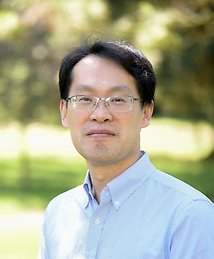
Contact
Name and title: Hua JiangAssociate Professor
Mail: hua.jiang@su.se
Workplace: Department of Ecology, Environment and Plant Sciences Länk till annan webbplats.
Visiting address Svante Arrhenius väg 20 A
Postal address Institutionen för ekologi miljö och botanik106 91 Stockholm

About me
I am interested in how plants regulate reproduction and adapt to changing environments. My research focuses on the genetic, epigenetic, and evolutionary mechanisms underlying plant reproductive development, with a particular emphasis on male fertility and responses to environmental stresses such as heat. Using genetics, genomics, epigenomics, and cell biology approaches, I investigate how genome regulation and natural genetic variation shape reproductive success and adaptation. Building on fundamental discoveries from Arabidopsis, my current research extends to barley to uncover the mechanisms underlying reproductive resilience under climate change.
I received my PhD in Biochemistry and Molecular Biology from Fudan University in 2009. Following postdoctoral research with Prof. Sheila McCormick at the University of California, Berkeley, and Prof. Claudia Köhler at the Swedish University of Agricultural Sciences, I established my independent research group in Germany in 2018. I joined Stockholm University as an Associate Professor in the Department of Ecology, Environment and Plant Sciences (DEEP) in 2026.
My laboratory studies how genetic and epigenetic mechanisms regulate plant reproduction and enable adaptation to changing environments. We are particularly interested in how genome regulation, chromosome dynamics, and cellular processes influence reproductive success and resilience under environmental stress.
Epigenetic regulation and genome organization in plant reproduction
Chromatin organization and epigenetic regulation play essential roles in controlling plant development and reproduction. During male reproductive development, dynamic changes in chromatin states occur in both germline cells and surrounding anther tissues, enabling precise regulation of gene expression programs required for fertility.
Our laboratory investigates how epigenetic mechanisms control reproductive development. We aim to understand how chromatin states are established and remodeled during developmental transitions and how these processes coordinate gene regulation across different cell types to ensure reproductive success.
Genome stability and chromosome dynamics during meiosis
Meiosis is a fundamental process that generates haploid gametes through accurate chromosome segregation. Maintaining genome stability during meiosis is essential for fertility and the transmission of genetic information across generations.
We study the cellular and molecular mechanisms that regulate chromosome behavior during plant meiosis. In particular, we investigate how specialized cellular structures and regulatory pathways contribute to accurate chromosome segregation. Our work aims to uncover how plants maintain genome integrity during reproductive development and how these mechanisms have evolved across plant lineages.
Climate-resilient plant reproduction
Reproductive development is one of the most environmentally sensitive stages of the plant life cycle. Increasing temperatures associated with climate change pose a major challenge to plant fertility by affecting meiosis, pollen development, and reproductive success.
Our research investigates how environmental stress, particularly heat stress, influences chromatin organization, transcriptional regulation, and cellular processes during male reproductive development. By integrating genetics, genomics, genome editing, and natural genetic variation, we aim to identify mechanisms that enable plants to maintain reproductive stability under changing environments. These studies are conducted in Arabidopsis and are increasingly extended to crop species, particularly barley.
Ma YR, Jiang H* (2025). Actin filaments drive spindle positioning in Arabidopsis meiosis II. New Phytol. https://doi.org/10.1111/nph.70625.
Göbel AM, Zhou SD, Wang ZD, Tzourtzou S, Himmelbach A, Zheng SW, Pradillo M, Liu C*, Jiang H* (2024) Mutations of PDS5 genes enhance TAD-like domain formation Arabidopsis thaliana. Nat Commun 15, 9308. https://doi.org/10.1038/s41467-024-53760-x.
Li L, Yang HH, Zhao Y, Hu QQ, Zhang XT, Jiang T, Jiang H, Zheng BL. (2024) ARID1 is required to regulate and reinforce H3K9me2 in sperm cells in Arabidopsis. Nat. Commun. https://doi.org/10.1038/s41467-024-51513-4.
Xu LH, Zheng SW, Witzel K, Slijke KVDE, Baekelandt A, Mylle E, Damme DV, Cheng JP, Jaeger GD, Inze D, Jiang H*. (2024) Chromatin attachment to the nuclear matrix represses hypocotyl elongation in Arabidopsis thaliana. Nat. Commun 15, 1286. https://doi.org/10.1038/s41467-024-45577-5.
Wang N, Wang Z, Tzourtzou S, Wang X, Bi XL, Leimeister J, Xu LH, Sakamoto T, Matsunaga S, Schaller A, Jiang H, Liu C. (2023). The plant nuclear lamina disassembles to regulate genome folding in stress conditions. Nat. Plants (2023). https://doi.org/10.1038/s41477-023-01457-2.
Yi J, Kradolfer D, Brownfield L, Gu YT, Köhler C*, Jiang H*. (2023) Meiocyte size is a determining factor for unreduced gamete formation in Arabidopsis thaliana. New Phytol. DOI: 10.1111/nph.18473.
Piskorz EW, Xu LH, Ma YR, Jiang H*. (2023) Double-haploid induction induces extensive variation in DNA methylation in Arabidopsis, J Exp Bot. 74, 3: 835–847.
Kuhlmann M, Jiang H, Catoni M, Johannes F. (2023) Editorial: DNA methylation in plants associated with abiotic stress, volume II. Front. Plant Sci. 14, 1203806. https://dx.doi.org/10.3389/fpls.2023.1203806
Xu LH, Cheng JP, Jiang H* (2022) Mutation of histone H3 serine 28 to alanine influences H3K27me3-mediated gene silencing in Arabidopsis thaliana. Plant Physiol, https://doi.org/10.1093/plphys/kiac409.
Cheng JP, Xu LH, Bergér V, Bruckmann A, Yang C, Schubert V, Grasser KD, Schnittger A, Zheng B, Jiang H* (2022) H3K9 demethylases IBM1 and JMJ27 are required for male meiosis in Arabidopsis thaliana. New Phytol. DOI: 10.1111/nph.18286.
Cheng JP, Zhang GP, Xu LH, Liu C, Jiang H* (2022) Altered H3K27 trimethylation contributes to flowering time variations in polyploid Arabidopsis thaliana ecotypes. J Exp Bot. 73(5):1402-1414.
Kuhlmann M, Jiang H, Catoni M, Johannes F. (2021) Editorial: DNA methylation in plants associated with abiotic stress. Front. Plant Sci. 12 (2021) 778004. https://dx.doi.org/10.3389/fpls.2021.778004.
Xu LH, and Jiang H* (2020) Writing and reading histone H3 lysine 9 methylation in Arabidopsis. Front. Plant Sci. https://doi.org/10.3389/fpls.2020.00452.
Wang YY, Jiang H, and Wang GF (2020) PHERES1 Controls Endosperm Gene Imprinting and Seed Development. Trends Plant Sci, 2020.03.004.
Wang G, Jiang H, Del Toro de León G, Martinez G, Köhler C (2018) Sequestration of a transposon-derived siRNA by a target mimic imprinted gene induces postzygotic reproductive isolation in Arabidopsis. Devl Cell. 46: 1-10.
Jiang H, Moreno-Romero J, Santos-González J, De Jaeger G, Gevaert K, Van De Slijke E, Köhler C (2017) Ectopic application of the repressive histone modification H3K9me2 establishes postzygotic reproductive isolation in Arabidopsis thaliana. Genes and Dev., 31: 1272-1284. (Recommendation by F1000)
Moreno-Romero J, Jiang H, Santos-Gonzalez J, Kohler C (2016). Parental epigenetic asymmetry of PRC2-medaited histone modifications in the Arabidopsis endosperm. EMBO J. 31: 1298-1311.
Jiang H, Yi J, Boavida LC, Chen Y, Becker JD, Köhler C, McCormick S (2015) Intercellular communication in Arabidopsis thaliana pollen discovered via AHG3 transcript movement from the vegetative cell to sperm. PNAS. 112: 13378–13383.
Wolff P, Jiang H, Wang G, Santos-Gonzàlez J, Köhler C (2015). Paternally expressed imprinted genes establish postzygotic hybridization barriers in Arabidopsis thaliana. eLife. 10074.
Brownfield L, Yi J, Jiang H, Minina EA, Twell D, Köhler C. (2015). Organelles maintain spindle position in plant meiosis. Nat Commun. 10.1038.
Kradolfer D, Wolff P, Jiang H, Siretskiy A, Köhler C. (2013). An imprinted gene underlies postzygotic reproductive isolation in Arabidopsis thaliana. Dev Cell. 26: 525-535.
Jiang H, Köhler C (2012). Evolution, function, and regulation of genomic imprinting in plant seed development. J. Exp Bot. 63: 4712-4722.
Jiang H*, Wang FF*, Wu YT*, Zhou X, Huang XY, et al. (2009). MULTIPOLAR SPINDLE 1 (MPS1), a novel coiled-coil protein of Arabidopsis thaliana, is involved in meiotic spindle organization. The Plant J. 59:1001-1010 (co-first author).
Shen YJ*, Jiang H*, Jin JP*, Qian L, Chen DH, et al. (2004). Development of Genome-Wide DNA Polymorphism Database for Map-Based Cloning of Rice Genes. Plant Physiol. 135: 1198-1205 (co-first author).